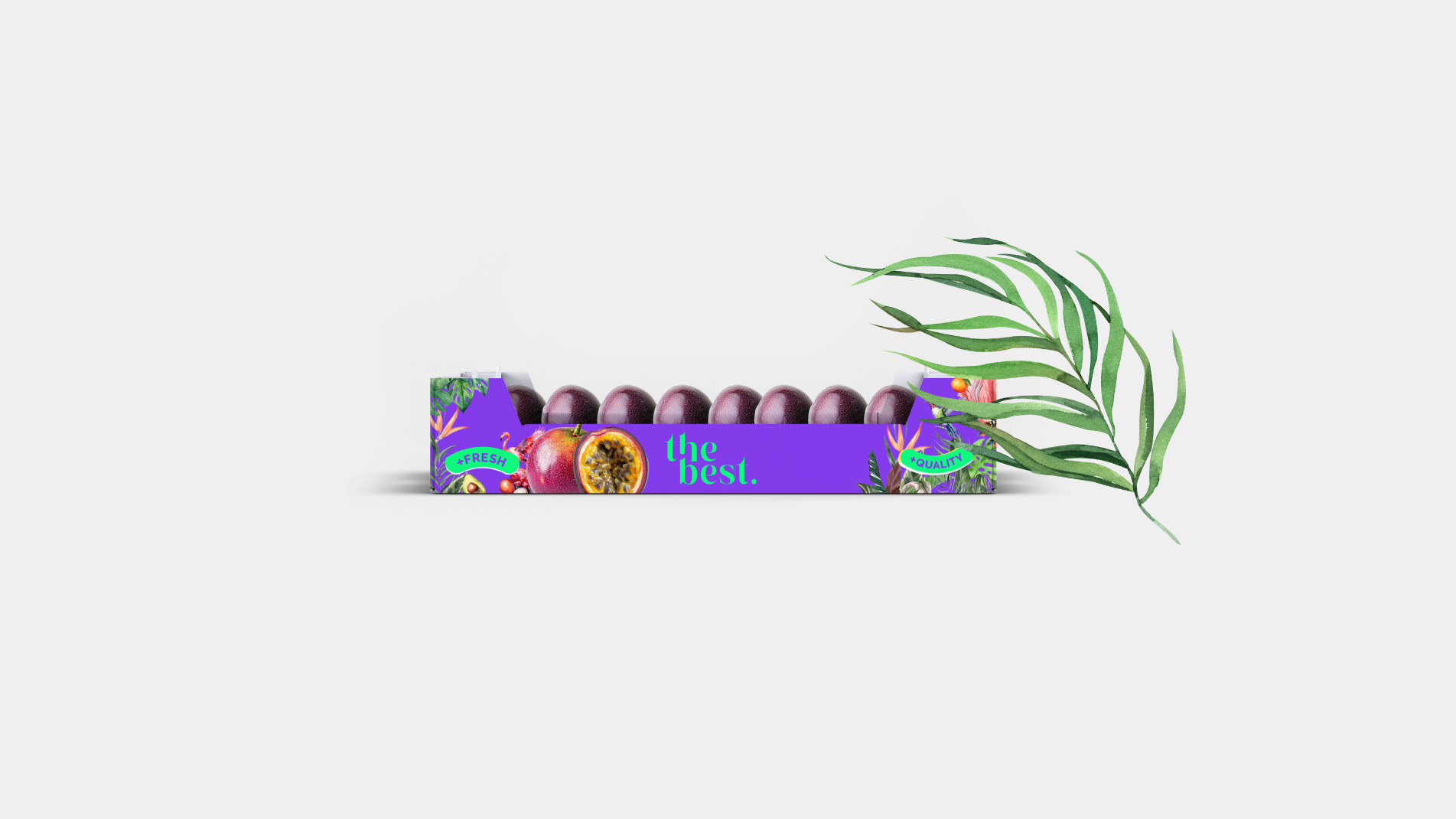
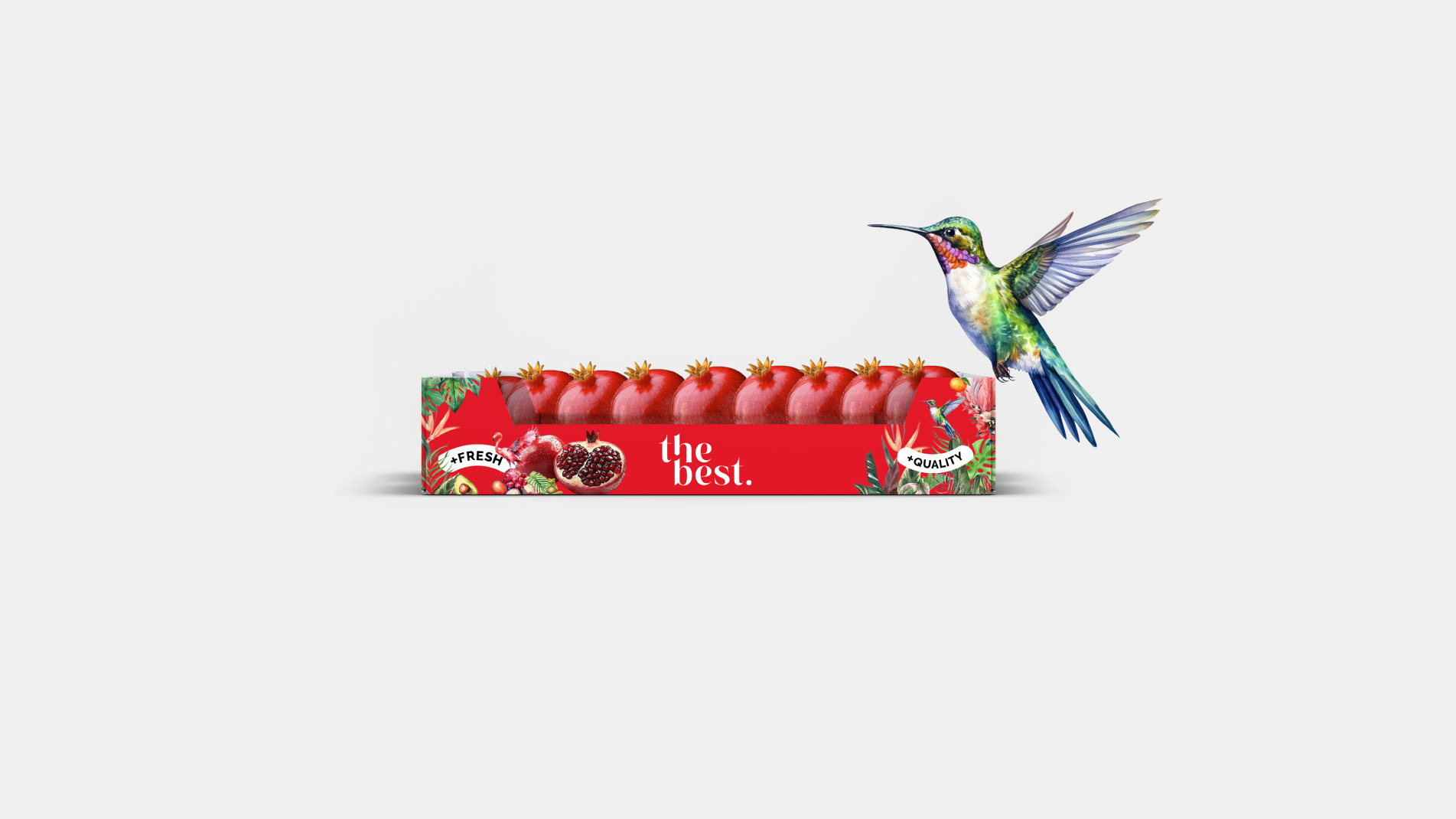
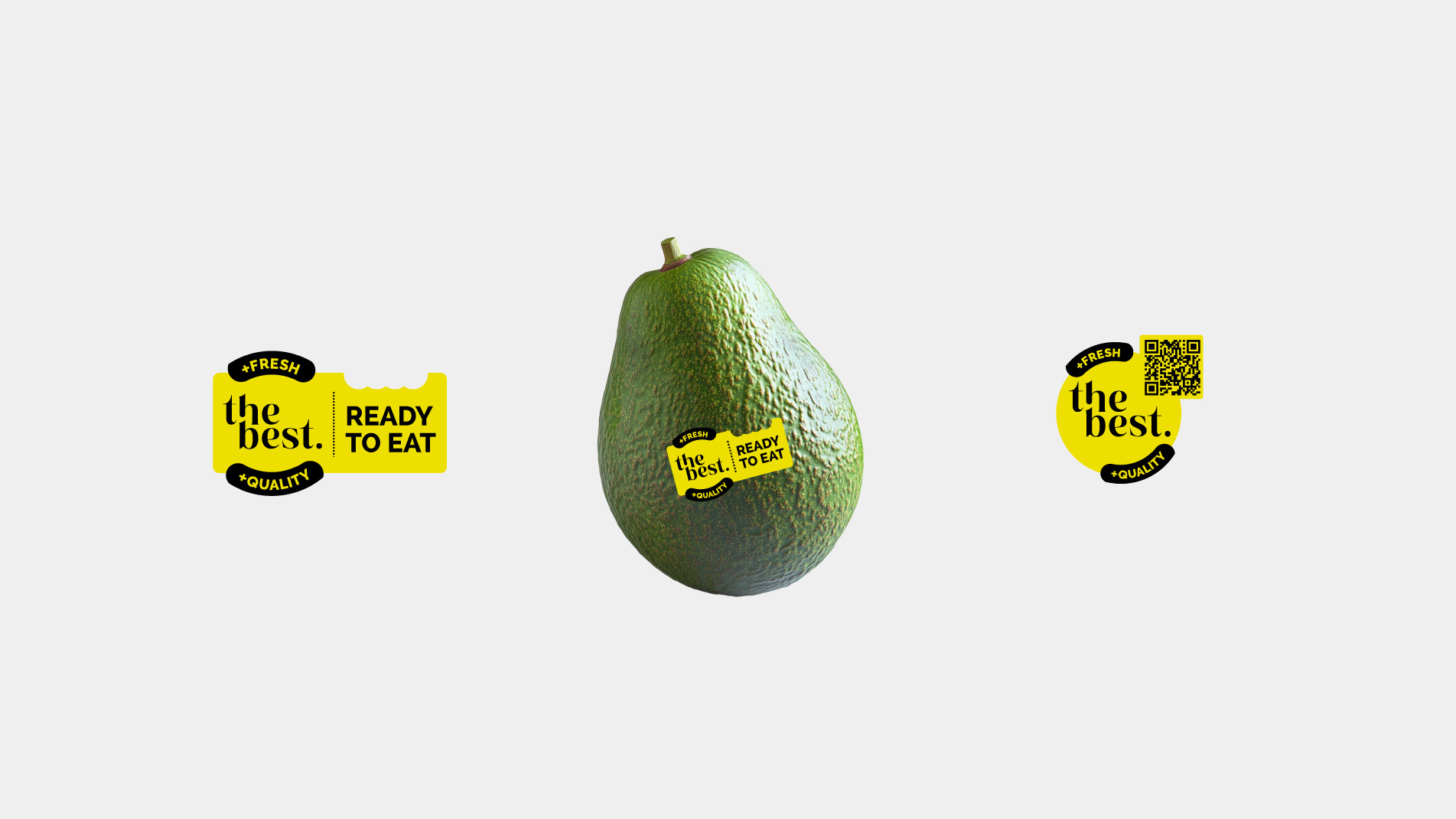
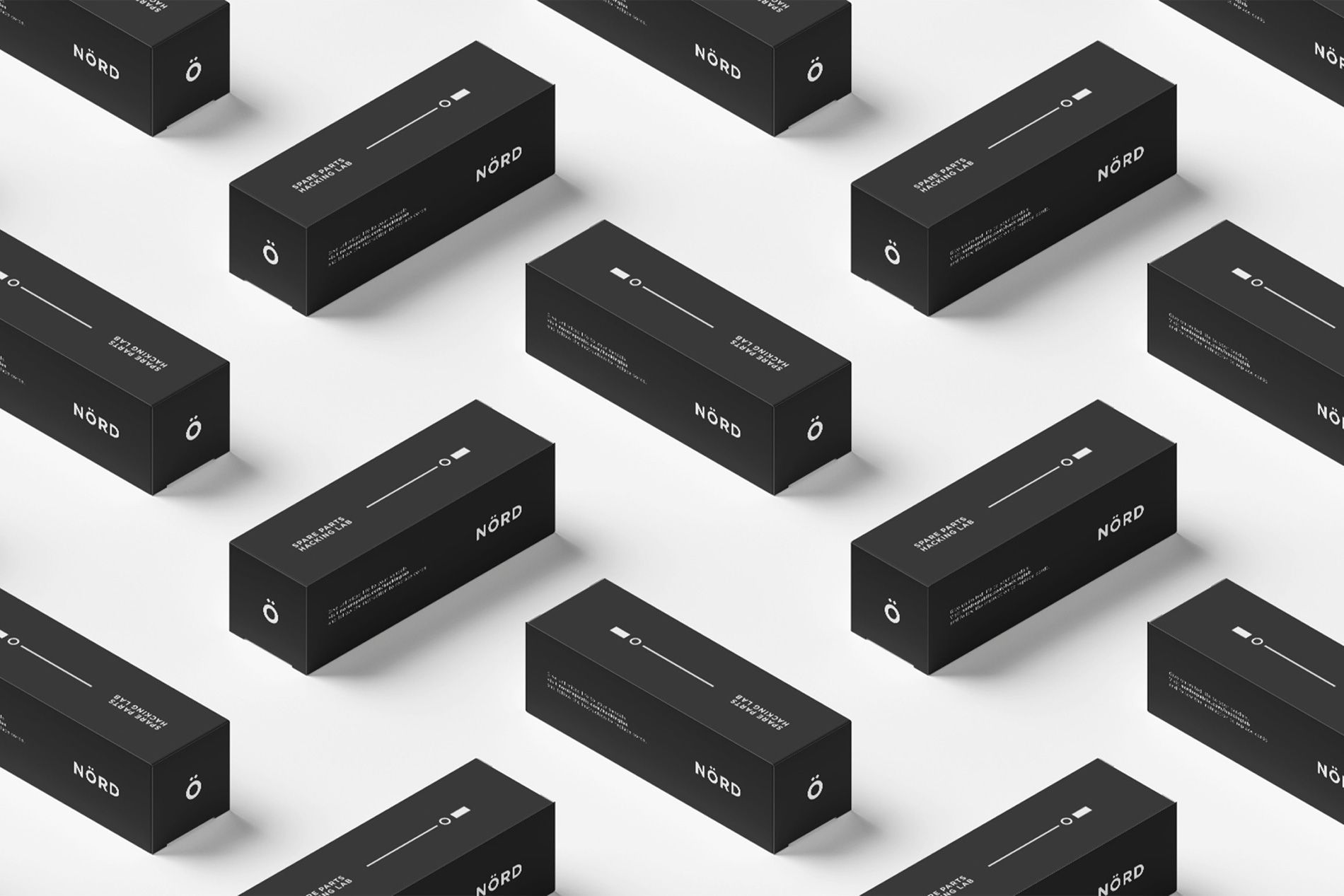
It depends on the scope. It may include product and category analysis, visual strategy, creative concept, label or packaging design, graphic systems for product ranges, format adaptations and final artwork. We define each project’s components and deliverables in advance.
Packaging Design
The first encounter with your product is also a brand experience.
At the point of sale, in an online shop or when opening a parcel, packaging speaks before the product can. Its shape, materials and graphic language influence how a brand is recognised, understood and perceived.
At Andreoli Estudio, we develop packaging design projects for brands and businesses, connecting brand strategy, creative concepts and visual identity. We design labels, cartons, packaging and graphic systems that express the character of the product and work across different contexts of use. Good packaging must be recognisable, clear and consistent with its contents. Attracting attention is not enough: it must also tell the right story.
Packaging design services
Packaging must reflect decisions about positioning, communication and use. We therefore approach each project according to the product, its category, sales channels and the actual scope of production.
Packaging strategy and concept
We study the competitive landscape, the consumer, the value proposition and the product’s place in the market. We define a creative concept that translates these attributes into a recognisable visual direction.
Graphic design for packaging and labels
We create graphic systems for packaging: layout, typography, colour, illustration, information hierarchy and brand assets. We design labels, boxes, wrappers and other applications consistent with the corporate identity.
Product range and family design
We organise product lines, varieties and formats so that a range is perceived as a cohesive whole without losing differentiation between products. We define visual codes, hierarchies and principles for future range extensions.
Packaging redesign
We review existing packaging when a brand has evolved, changed its positioning or needs greater clarity. We identify which elements to retain, transform or remove to update the design without losing recognition.
Structural adaptation and materials
We consider how format, materials, closures and the opening experience influence design. When a project requires structural development or technical validation, we coordinate requirements with manufacturers and specialists.
Final artwork and print preparation
We prepare final artwork according to the technical requirements agreed with the print supplier and review aspects such as dielines, finishes and graphic reproduction. Industrial and regulatory validation remains the responsibility of the professionals and operators responsible for each product.

Every product needs a different packaging approach.
Design does not work in the same way for a signature wine as it does for an everyday consumer product. Each category has its own conventions, constraints and ways of engaging buyers.
Food and beverage packaging
Labels and packaging for products that need to communicate flavour, origin, quality or brand personality. We seek a balance between differentiation, readability and range consistency.
Wine and premium product packaging
We develop the visual territory, label, composition and finishes to express the product’s positioning. Materials and printing techniques are considered in relation to the concept and budget.
Cosmetics and personal care packaging
Packaging systems where information clarity, variant identification and trust are particularly important. The design is adapted to the requirements of each product and market.
Retail and e-commerce packaging
Boxes, wrappers and presentations that extend visual identity beyond the point of sale. We also consider the delivery and unboxing experience without overlooking product protection and logistics.
In every case, the goal is the same: packaging should express the brand and help people understand the product, rather than being a graphic piece disconnected from the whole.
Attractive packaging is not enough.
When should you create or redesign packaging?
Sometimes the problem is obvious: an outdated design. At other times, it lies in range management, label readability or a lack of consistency between the product and its positioning.
You are launching a new brand or product
You need a presentation that explains what you offer, who it is for and why your product deserves attention over alternatives.
Your packaging no longer represents your brand
The business has evolved, but the packaging still conveys a personality or level of quality that no longer matches the current proposition.
Your range has grown without a visual system
Product lines have multiplied and each seems to belong to a different brand. It is time to establish codes that make the family recognisable while distinguishing each product.
You want to reach a new audience or reposition your brand
Moving into a premium segment, a new category or a different distribution channel may require a review of the visual language and product presentation.
You need to adapt formats, substrates or materials
Switching to another type of packaging, a new supplier or revised materials requires reconsidering the design and checking its technical feasibility.
Not every scenario requires starting from scratch. Sometimes it is enough to reorganise information, review the visual hierarchy and build a consistent system.
Packaging is one of the most tangible touchpoints between a brand and its customers. It can communicate origin, personality, category and perceived price; it can also create doubt if its message is confusing or contradicts the brand promise. At Andreoli Estudio, we connect packaging design with branding, brand strategy and visual identity. We focus on the relationship between the product and its presentation: how it is identified, how it stands apart from competitors and how it fits within the wider range.
We also consider materials and sustainability from a realistic perspective. Reducing components or exploring alternatives may be useful, but any environmental claim requires specific evidence relating to the material, manufacturing and context of use.
Our packaging design process
01. Brand and category analysis
We get to know the product, its positioning, consumers, competitors, sales channels and basic production conditions.
02. Creative concept
We define the idea the packaging should express and the visual language through which the brand can make it recognisable.
03. Design and graphic system
We develop proposals for layout, typography, colour, illustration, labels and, where appropriate, principles for organising varieties and formats.
04. Development and technical adjustments
We adapt the design to the dimensions, dielines and specifications supplied by manufacturers or suppliers, reviewing graphic feasibility and planned finishes.
05. Final artwork and delivery
We prepare final files according to the agreed scope and printing conditions. Where appropriate, we support proof reviews with the responsible suppliers.
Frequently asked questions about packaging design
What is the difference between graphic and structural packaging design?
Graphic design focuses on visual identity applied to packaging: typography, colour, layout and information. Structural design defines its physical shape, materials, closures and functionality. Both must be coordinated, although they may require different specialists and suppliers.
Can you design an entire product range?
Yes. We create visual systems for product families, with shared elements that strengthen the brand and distinctive codes for varieties, formats or categories. We can also work on an existing range to make it more consistent.
Do you also redesign existing packaging?
Yes. We analyse what works, what has become outdated and what needs to change. The goal may be to improve readability, update positioning or reorganise product lines without losing recognisable brand assets.
Do you deliver print-ready files?
We can prepare final artwork according to the print supplier’s dielines and specifications. Legal labelling requirements, product compatibility and industrial validation must be confirmed by the relevant specialists and responsible parties.