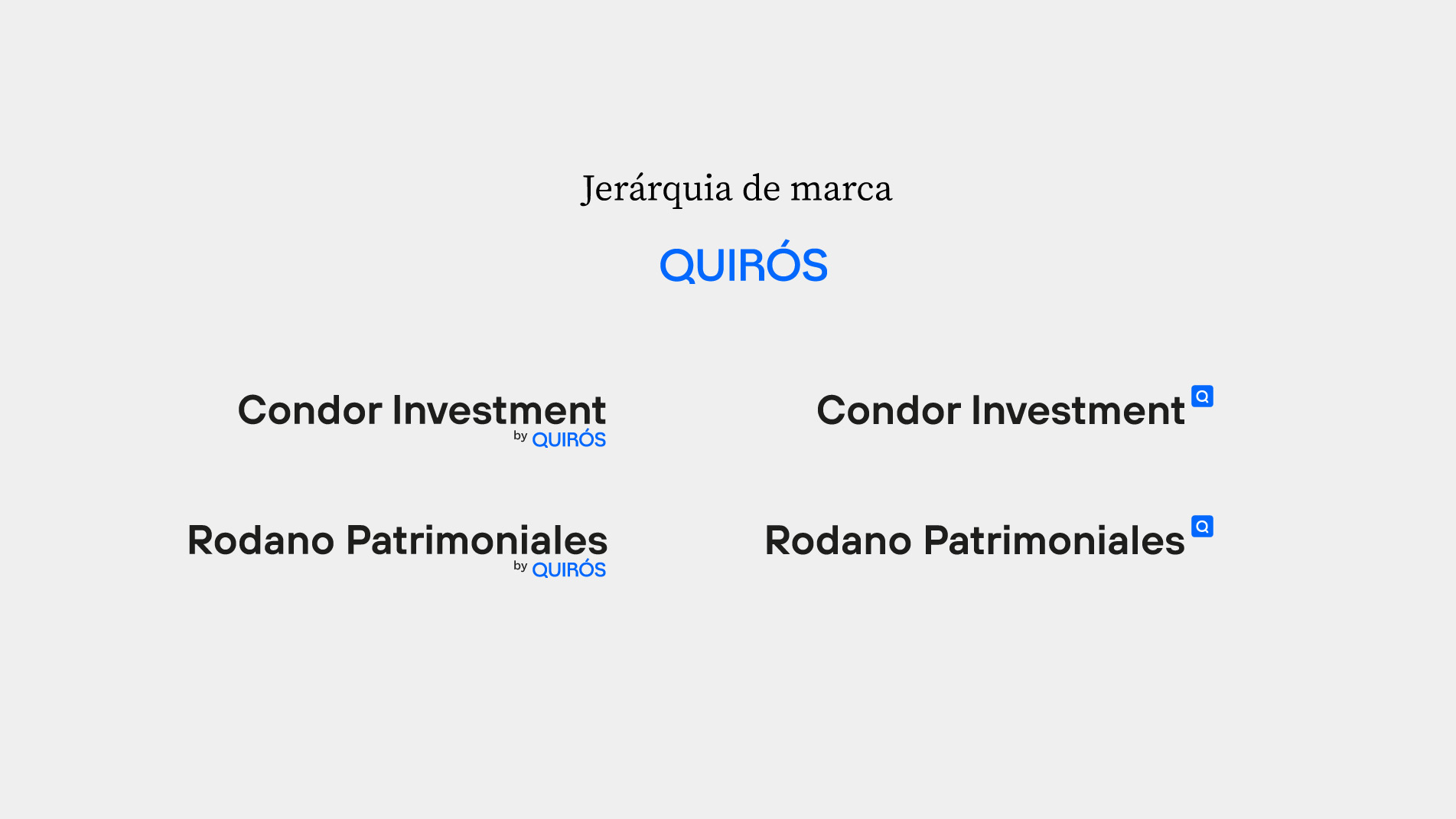
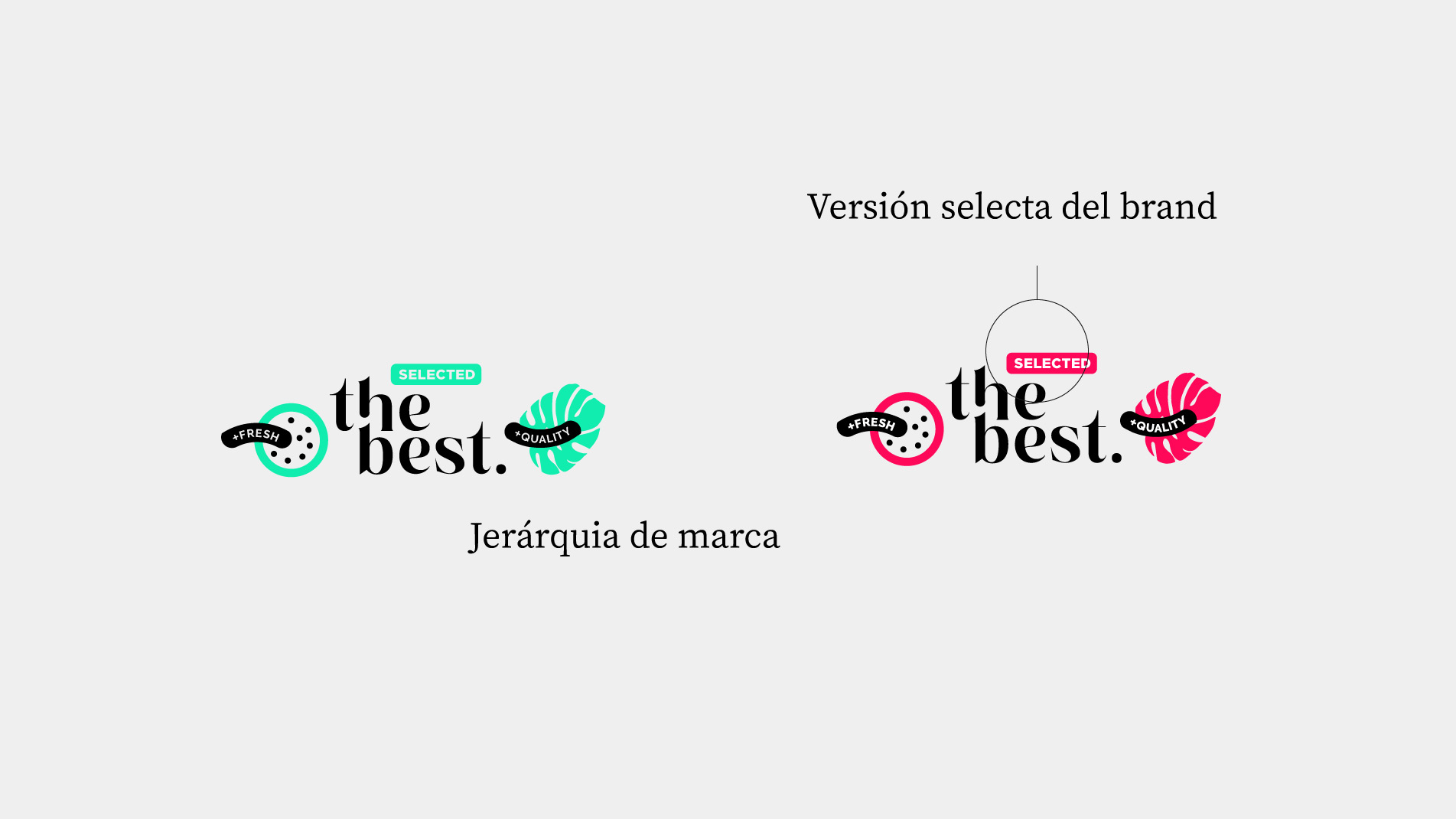
Brand architecture is the system that organises and defines the relationships between a master brand, its sub-brands, products and services. It helps people understand the offering and facilitates business management and growth.
Brand Architecture
A brand can grow. Its structure must make sense.
When a company introduces new products, services or business lines, it is not always clear which should carry its name, which need an identity of their own and how each offering relates to the others. Effective brand architecture turns that complexity into a system people can understand.
At Andreoli Estudio, we develop brand architecture projects for companies and business groups. We analyse the business, its brand portfolio and audience expectations to define relationships, hierarchies and naming principles aligned with the brand strategy. It is not about creating more brands. It is about deciding which ones you need, what role each plays and how they should coexist.
Brand architecture services
A well-defined brand architecture facilitates communication decisions, helps organise the brand portfolio and provides clarity as a business grows, diversifies or integrates new companies.
Brand portfolio audit
We examine existing brands, sub-brands, products and services. We identify duplication, overlaps and potential sources of confusion to understand how the offering is presented and perceived by its different audiences.
Brand architecture models
We evaluate branded house, endorsed brand and independent brand structures, as well as hybrid models where appropriate. There is no universal formula: we choose the approach that best serves the business.
Brand hierarchies and relationships
We define which brand leads, which operate as sub-brands, how product lines are identified and how much autonomy each requires. We establish rules to maintain clear relationships across all levels.
Verbal architecture and naming systems
We establish naming principles for brands, ranges, products and services. When new names are needed, we connect the architecture to a strategic naming process, avoiding isolated decisions that complicate the overall system.
Four architecture models. One strategic decision.
Not every company needs to organise its brand portfolio in the same way. The choice depends on the relationships between businesses, recognition of existing brands and the experience intended for each audience.
Branded house
One master brand identifies most products and services. This structure concentrates brand recognition and makes it easier to present a diverse offering under a common identity, although it requires a consistent brand promise.
Sub-brands
The parent brand coexists with specific names or identities for business lines, products or services. This allows offerings to be differentiated without losing their connection to the master brand.
Endorsed brands
Each brand retains a distinct identity while visibly benefiting from the endorsement of a corporate brand. This model is useful when commercial autonomy and shared trust need to coexist.
House of brands
The group manages different brands with their own positioning and audiences, without needing to emphasise their common ownership. This allows for specialisation but usually requires greater management and communication efforts.
There are also hybrid models. Our role is to evaluate the alternatives and define clear rules, rather than impose a predetermined structure.
More brands do not make a stronger brand.
When should you review your brand architecture?
The problem often emerges before a company is even familiar with the term ‘brand architecture’. Here are some situations in which it is worth reviewing how the portfolio is organised:
Your company is introducing new business lines
You need to decide which products or services should use the existing brand and which could benefit from a distinct identity.
You manage overlapping brands
Different brands compete with one another, duplicate functions or create uncertainty about their relationship. Redefining their roles can simplify the offering and make it easier to understand.
You are integrating companies after a merger or acquisition
You need to determine which names to retain, how to communicate group ownership and how to manage the transition without losing established brand recognition.
You want to launch a new product or enter a new market
Before addressing naming or visual identity, it is worth assessing whether the new offering fits the existing portfolio and how it should relate to the other brands.
Your structure is confusing to customers
If it is difficult to explain what each brand, division or service offers, you probably need a clearer hierarchy across communication, identity and digital navigation.
The outcome is not always the creation or removal of brands. Sometimes, establishing roles, hierarchies and rules for coexistence is enough to enable coherent growth.

A company can lose clarity when every product uses a different identity, or when all offerings share a name without explaining their differences. Brand architecture helps determine where to unify and where differentiation is useful. We analyse master brand recognition, relationships between businesses, the needs of each audience and growth potential. Using these insights, we design a system that makes the offering understandable without adding unnecessary complexity.
Architecture also has practical implications: it influences naming, visual identity, website structure, commercial communication and the introduction of new products. It must therefore be built around the business, not solely around design.
Our brand architecture process
01. Audit and current brand mapping
We document existing brands, business lines and products, their audiences, their relationships and their main touchpoints.
02. Strategic analysis
We review brand positioning, business objectives, growth opportunities and the level of recognition of each brand.
03. Model definition
We propose the most appropriate structure: a single brand, endorsed brands, independent brands or a justified combination.
04. Hierarchies and rules for coexistence
We establish each brand’s role, the relationships between them and the naming and presentation principles needed to create a coherent portfolio.
05. Implementation and evolution
We document the system and guide its application across identity, communication and agreed touchpoints, taking future portfolio expansion into account.
Frequently asked questions about brand architecture
What is the difference between a branded house and a house of brands?
In a branded house, different offerings are presented under one master brand. In a house of brands, each business or product has its own identity. Endorsed and hybrid models sit between these approaches; the choice depends on strategy and audiences.
When does a company need to review its brand architecture?
It is often necessary when expanding a product portfolio, entering new markets, creating divisions, integrating companies after an acquisition or identifying confusion between brands and business lines. It does not always involve rebranding or changing the visual identity.
Are brand architecture and naming the same thing?
No. Architecture defines how the portfolio is organised and how its elements relate to one another. Naming involves creating and evaluating the names of those elements. The disciplines complement each other: it is best to first decide what needs a name of its own.
What deliverables can a brand architecture project include?
Depending on the scope, it may include a portfolio audit, current and proposed brand maps, defined roles and hierarchies, naming principles and guidelines for future additions. We agree on the deliverables before starting the project.
Your business is growing. Let’s make sure your brand grows with it.